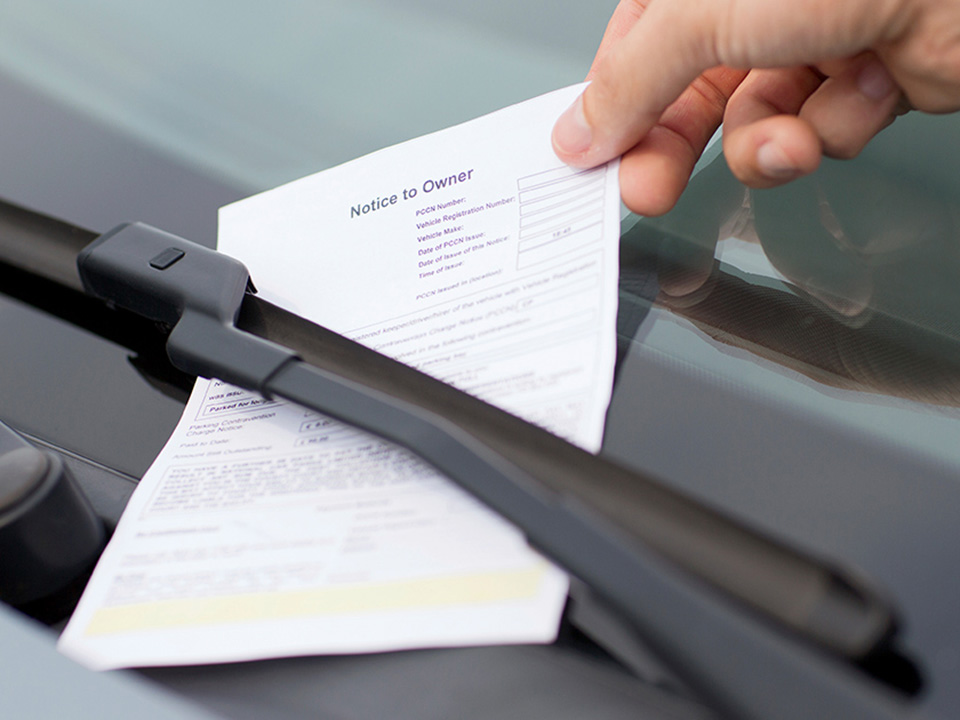
If you’ve just received a speeding ticket, you typically have several options for resolving it, such as contesting the ticket, paying the fine or attending traffic school. Before deciding what to do, it’s important to understand your rights, the potential consequences and how each option may affect your driving record.
Option 1: Contest a speeding ticket in traffic court
If you think the ticket was issued in error or unlawfully, you may be able to contest the ticket in traffic court and attempt to get it dismissed. But if you decide to take this route, come prepared.
How to prepare to fight a speeding ticket
- Be familiar with the traffic laws in your state, city or local jurisdiction. You should be able to find these on your state legislature's site or the Department of Motor Vehicles (DMV) website. Keep in mind that neither the DMV nor the court can provide you with legal advice.
- Ask for documents and supporting information related to the traffic stop. Either you or your attorney can submit a written request to review any items officers collected during the traffic stop and any items they used in the investigation (like a radar gun).
- Have a viable defense. What you may feel is unfair or incorrect may not matter from a legal perspective.
- Seek the help of an attorney. Even if you plan to defend yourself, it’s helpful to consult with an attorney who is familiar with cases similar to yours and who will provide an honest assessment of your chances to successfully contest the ticket.
Option 2: Pay the speeding ticket fine
Paying the fine is usually the obvious, easy approach to handling the situation. In many cases, instead of going to court, you pay the citation online, by phone, by mail or in person prior to the court date listed on the ticket.
This also means you plead “guilty” to the violation – which could lead to higher insurance rates and lasting negative consequences, since the violation will appear on your driving record, normally for about three years.
You also face all the associated penalties, which could include getting your license taken away or suspended, as well as fines and driving points (which are added to your driving record as well). Driving points and related fines and penalties vary by state, so it’s helpful to know how to pay for a traffic ticket in the state in which you received it.
Option 3: Attend traffic school
In some cases, attending traffic school may be an alternative to paying a speeding ticket or appearing in court. A driver safety class or defensive driving course can help you avoid steep fines and increased insurance rates, not to mention keeping your driving record clean.
Although not ideal, another option is to attend traffic school in conjunction with paying the fine. At least in this scenario, completing a driver safety course may prevent the ticket from appearing on your driving record.
How to reinstate your license after suspension
A string of several traffic tickets within a certain timeframe could rack up enough points on your record to get your license taken away. Or in more serious cases, like driving while intoxicated, your license could be automatically suspended. It's up to your state's Department of Motor Vehicles (DMV) to determine the process for reinstatement. But you'll generally need to follow these steps:
- Resolve the issue. Make sure you've served the necessary time required for the suspension.
- Pay any associated fines. For example, if your license was suspended because you failed to pay a ticket, you'll need to pay that fine first.
- Pay a license reinstatement fee at your DMV. The amount is usually based on where you live.
- Show proof of insurance (if applicable). If you committed a criminal traffic offense, you may need to provide proof of high-risk insurance, such as an SR22 policy.
- Prove you've been schooled. You may need to show evidence of a completed class such as traffic school, a defensive driving course, or an alcohol or substance abuse course.