Are you considering a move or buying a new house and need to sell your house to make it happen? Whether you’re moving for a new job, upgrading your space or downsizing, the home-selling process involves financial decisions, legal considerations and strategic timing. But with the right preparation, you can reduce stress, attract buyers and maximize your sale price. Follow these seven tips to make the home-selling process less stressful.
1. Pick the right time to sell your home.
Believe it or not, there are better times to list than others when selling a house. Most experts recommend putting your home up for sale early in the year. Home sales spike during the summer, so being on the market before then is the best way to get noticed.
According to Zillow, late May is the best time to sell your home. Warmer climates can list earlier, but colder climates should list later. You also want your neighborhood to be considered a “seller’s market” before you put your house up for sale, meaning that there’s a high demand for homes in your area.
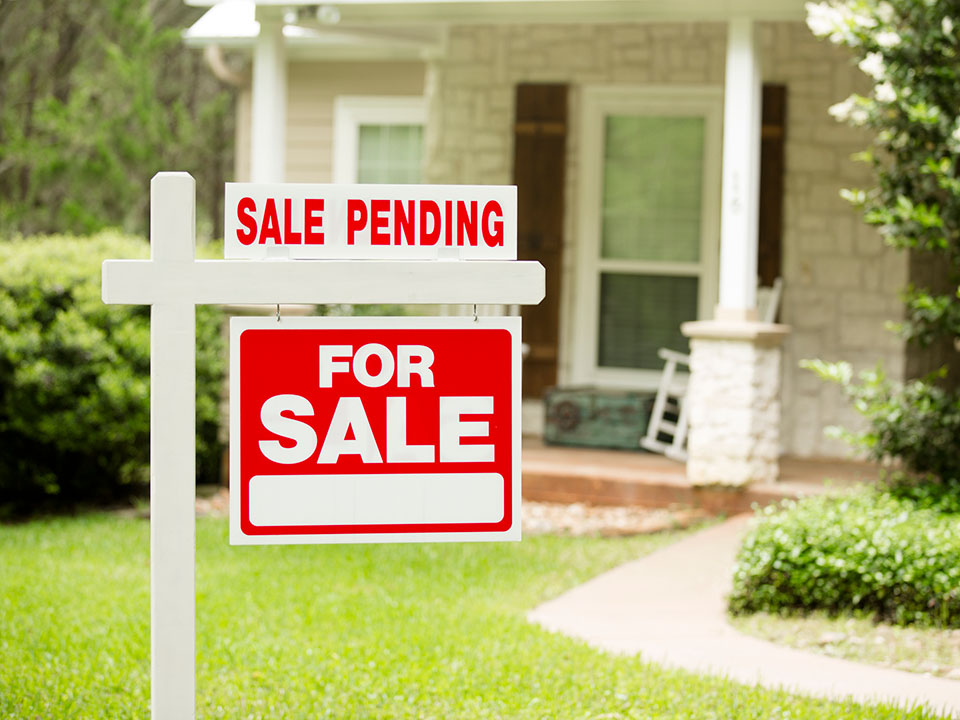
To determine a seller’s market, watch the other homes in your area for “For Sale” signs and take note of how fast these homes sell. If the homes around you are selling in only a few days, it’s a good sign that it’s the right time to sell.
2. Decide whether to use a real estate agent.
It has been shown time and time again that sellers who work with a real estate agent make more money than those who sell their homes themselves. However, some sellers are still determined to go it alone. For Sale by Owner, or FSBO, cuts the need to pay a commission to a realtor for helping you sell.
Selling your house yourself may save you money, but it could also create legal issues as you dive into paperwork and contracts. Working with a real estate agent adds a level of safety to your home-selling experience. Your realtor may pre-screen and pre-qualify potential buyers to determine if they have the means to buy your home.
3. Find a knowledgeable real estate professional.
You want a real estate agent who knows your neighborhood and is well-versed in the real estate game. You don’t want to pick a random person you’ve never heard of from an unknown agency.
Do your homework and pick someone that you feel can represent you best. One good way to find a trustworthy and knowledgeable realtor is to ask friends and neighbors for recommendations.
4. Remove personal and valuable items.
It’s easier for possible buyers to imagine themselves in your space if they don’t see pictures of your family vacation or your sister’s new baby. Buyers want to picture their family in that space and imagine making their own life there.
They also want to feel free to look around in rooms and closets without knowing that someone actually lives there. If they can see personal items everywhere, they may feel like they’re snooping.
Along those same lines, potential buyers will be wandering all over your house while you aren’t home. That leaves plenty of opportunities for a stranger to snag an expensive piece of jewelry, a prescription pill bottle or even your checkbook. You should lock up anything that could be dangerous in the wrong hands or has value to you.
5. Maximize perceived space.
Consider taking half of the clothes out of your closets. This little trick will make your closets and storage areas look even bigger to possible buyers who are looking for lots of space in which to spread out. If it appears you can fit all of your clothes in only part of your closet, this will pique the interest of someone who needs a lot of space. The same goes for other storage areas and cabinets where curious lookers will take a peek.
6. Prepare your home for showings.
Think about why people move – usually because they need more space than their current house has, right? Well, having clutter in your house will make every room look smaller than it really is.
You want potential buyers to walk into every single room in your house and think, “Wow! Look at all this space!” and “These people are really clean, so they must take really good care of this house.”
Before listing your home, it’s a good idea to pack up extra items and put them in storage. Save yourself a headache by packing these items into plastic containers, labeled by room, to make moving out super simple.
7. Price your home strategically.
Overpricing your home can turn off many potential buyers who are teetering on the edge of their budget. You also need to consider how quickly you want to move out of your home and the price of similar properties in your area.
By setting a fair price based on market value, you’ll be able to attract more possible buyers and keep you from sitting in a staged house for an extended period. Your realtor should be able to help you determine a fair price, but you should also do your own research on comparable homes in the area.
Selling your home is a major milestone – and preparation makes all the difference. By timing the market, pricing strategically, preparing your home and understanding your legal responsibilities, you can create a smoother, more successful selling experience. With the right plan in place, you’ll be well on your way to your next chapter.