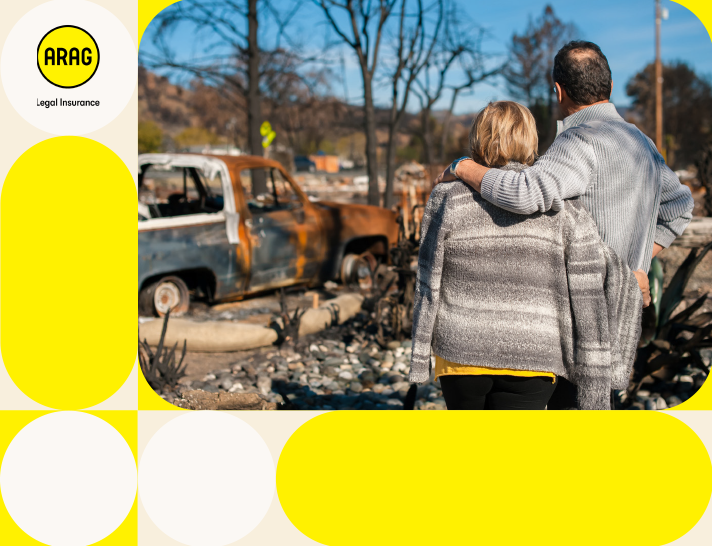
Know your legal rights during a natural disaster such as a flood, hurricane or tornado.
When a natural disaster such as a flood, wildfire, tornado or earthquake impacts your community, it can create immediate legal and financial challenges. Housing damage, interrupted employment, insurance questions and unexpected expenses often follow. Understanding how these issues are typically handled – and knowing what protections may be available – can help you take informed next steps during a stressful and uncertain time.
Housing and employment concerns following a disaster
Natural disasters can raise urgent questions about rent or mortgage payments, cleanup responsibilities and temporary displacement. Homeowners and renters may face different obligations depending on the extent of the damage, their lease or loan terms and applicable state laws. Employment may also be affected if a workplace is damaged or temporarily closed. In some situations, individuals may be eligible for unemployment or disaster‑related assistance depending on federal or state declarations.
Insurance, financial recovery and credit considerations
Insurance coverage plays a critical role in disaster recovery, but not all types of damage are covered under standard policies. Filing claims promptly, documenting losses and understanding coverage limitations, such as exclusions for flooding or wind damage, can be important to financial recovery. Disasters may also disrupt income and bill payments, making it helpful to communicate early with lenders and creditors about possible extensions or relief options.
Protecting documents and avoiding post‑disaster scams
Safeguarding important legal and financial documents before and after a disaster can help reduce complications during recovery. Secure storage, backups and electronic copies may make it easier to replace records if originals are lost or damaged. Consumers should also remain alert to common post‑disaster scams, including price gouging, fraudulent contractors and predatory lending practices, which often target individuals during vulnerable moments.