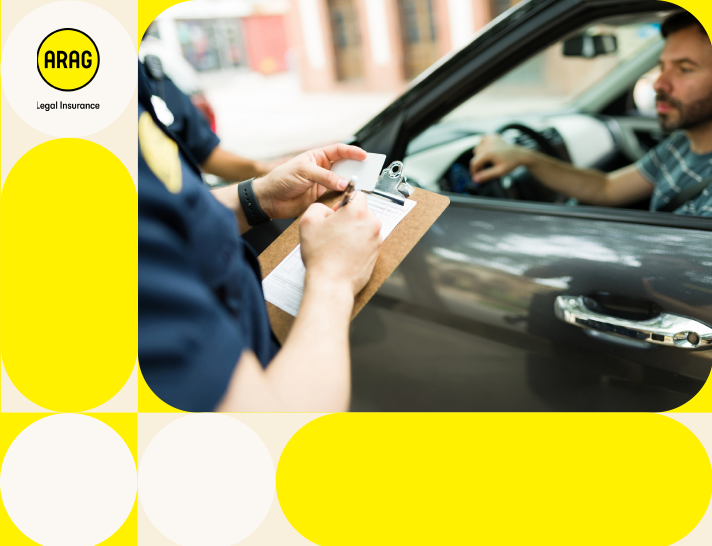
Even cautious drivers can find themselves facing a traffic ticket. Whether it’s for speeding, distracted driving or a minor traffic violation, a citation is a legal document that can carry financial penalties, license points and long‑term consequences. Understanding how traffic tickets work and what steps may follow can help reduce stress and uncertainty if you’re cited.
Understanding traffic violations and citations
A traffic ticket, also known as a citation, is issued by law enforcement for violating traffic laws within a specific jurisdiction. Citations typically include details such as the offense, location, court date and issuing officer. Penalties vary by state and may increase based on factors like the type of violation, repeat offenses or special zones such as school or work areas. Some violations, including distracted or impaired driving, may have more serious consequences.
What happens after you receive a traffic ticket
After receiving a ticket, drivers generally must decide how to respond – by paying the citation or contesting the charge. Paying a ticket often means accepting responsibility for the violation, which may result in fines, points on a driving record and potential insurance impacts. In some cases, failing to appear in court or resolve a citation can lead to additional penalties, including license suspension. Traffic laws and procedures differ by state, making it important to understand local requirements and timelines.
License points, suspensions and long‑term impact
Many traffic violations may result in points that stay on a driving record for a set period of time, depending on state law. Accumulating too many points – or being convicted of serious offenses such as driving under the influence – can lead to license suspensions or restrictions. Understanding how violations affect your driving record can help you make informed decisions and avoid further complications.
How to reduce risk and avoid future tickets
Preventing traffic tickets starts with safe driving habits, including obeying posted speed limits, avoiding distracted driving and adjusting for road and weather conditions. Keeping documents such as registration and inspections up to date can also help avoid preventable citations. Being informed about traffic laws and practicing defensive driving can reduce the likelihood of future violations and protect your driving privileges.