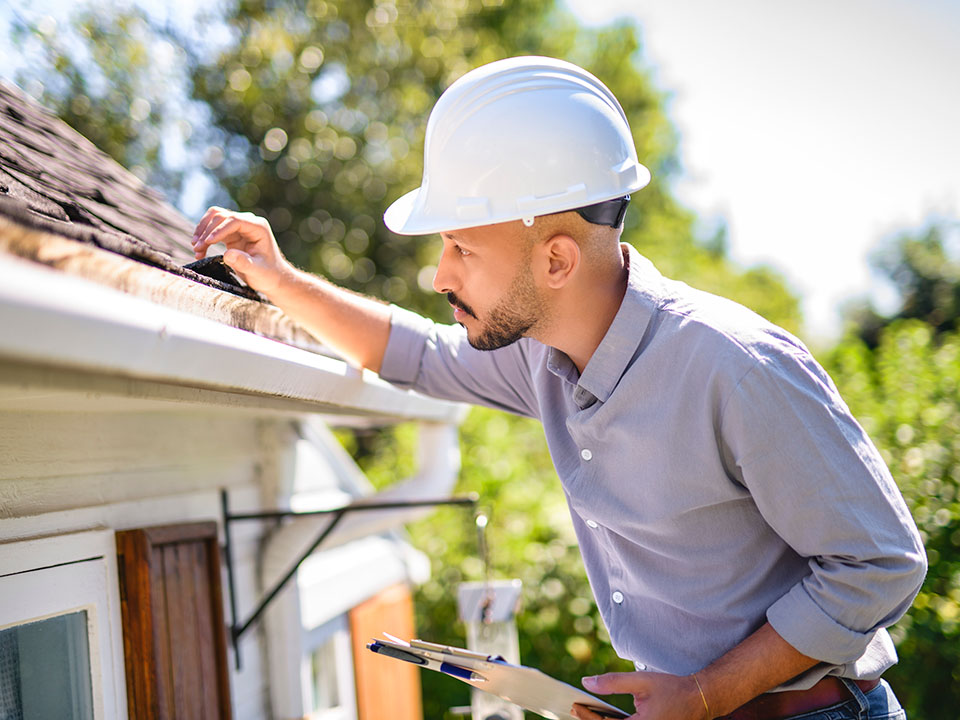
The home inspection is one of the most important parts of the home-buying process. And it’s something homebuyers – especially first-time buyers – should take seriously. A thorough inspection can uncover costly issues, help you negotiate repairs and even influence whether you move forward with a purchase.
Why a home inspection matters
A home inspection helps identify structural issues, safety hazards, repair needs and potential long-term costs. When putting an offer on a house, you should be sure to include an inspection as a condition of the sale. Once the offer is accepted, you’ll want to hire a professional, qualified home inspector to go through a thorough home inspection checklist. This guide will help you make every bit of the inspection count. Including an inspection contingency in your purchase agreement gives you the opportunity to renegotiate – or walk away – based on the findings.
Before the inspection
1. Research the inspector.
Your realtor or real estate agent should be able to recommend reputable house inspectors. But you still need to do your own research to ensure you find an honest, reliable and experienced inspector.
Ask them questions about their background and length/type of experience. You should also check their credentials and understand what certifications your state requires for qualified inspectors. There are also two national organizations that require inspectors to adhere to ethics and professional standards in order to belong: the National Association of Home Inspectors and the American Society of Home Inspectors.
Create a short list of your top candidates. Then compare their house inspection cost estimates.
2. Schedule the inspection promptly.
Once your offer is accepted, inspections typically happen within a defined timeframe. Delays could impact your negotiation window, and you risk losing your inspection contingency. Timing matters, so make sure to stay on schedule.
During the inspection
3. Attend the inspection in person.
Don't just let your real estate agent handle the inspection process. Witness everything your inspector has to say firsthand during the walk-through. Plan for the inspection to take several hours – this is not something that you want to rush. Feel free to bring along a friend or family member for another set of eyes and ears.
4. Understand what a home inspection covers.
Typically, home inspections help to identify common problems – as well as out-of-the-ordinary issues. You can expect the inspector to examine the following:
- Structural elements: walls, floors, roof, foundation
- Exterior elements: landscaping, elevation, drainage, windows, driveways, steps, railings, porches, balconies
- Roof and attic: framing, ventilation, gutters, flashing
- Plumbing: pipe materials, toilets, showers, sinks, faucets, traps
- Systems and components: water heaters, furnaces, air conditioning, duct work, fireplace
- Electrical: wiring, grounding, circuit breakers, main panels, ceiling fans, light figures
- Appliances: dishwasher, range and oven, microwave
The focus is looking for anything that is or could be a structural issue or safety hazard. Remember that if you have questions about anything the inspector says, don’t be afraid to ask.
5. Consider additional specialized inspections.
Depending on the age and condition of the house, there are other tests you may want to consider that are not included in the main home inspection, such as:
- Radon test
- Pest inspection (e.g., termites)
- Mold, asbestos or lead inspection
6. Do your own inspection.
Don’t rely on the experts to consider things like how the structure and elements of the home will suit your current lifestyle. If you have young children, you’ll want to look for common hazards or concerns that an inspector might not be looking for. You may even want to prepare your own house inspection checklist ahead of time.
For example, maybe stair railings are structurally sound, but the rails are far enough apart that your toddler’s head might get stuck. This may not be a deal breaker to buy the home. But if it will require you to make changes (and spend money), you’ll want to take that into consideration as you proceed through the home-buying process.
Limitations to understand
7. Know that the inspection won’t cover (or uncover) everything.
Inspectors don’t have X-ray vision. They can’t see behind the drywall or under the carpet – and there could be things hiding there, like old wiring or rotting wood, that could be costly to replace.
Be aware of these potential issues, and ask your inspector to do as much as he or she can (peeling up corners of carpet, checking out the electrical system where he can access it) to put your mind at ease about these sorts of things – while also asking him or her to be upfront about what he or she is NOT able to tell you.
After the inspection
8. Read the home inspection report and make a decision about how to move forward.
After any inspection, you should get a detailed report that outlines everything that was inspected and any issues the inspector uncovered.
Look through the report and decide whether anything in it is serious enough that you need to walk away from the home altogether – or whether there are things that you should ask the seller to repair before the sale goes through. You can also ask the seller to give you credit toward repairs if you would rather make them yourself after you take possession.
A home inspection is your opportunity to fully understand the condition of a property before you commit. Take your time, ask questions and don’t rush the process. The more thorough you are during the inspection, the more confident you’ll feel moving forward with your purchase.